
What Does It Feel Like to Be “In Between”?
Exploring the emotional impact of migration, cultural adjustment, and finding your place between worlds
Moving to a new country often begins with hope.
It may be for love, family, work, study, or the possibility of a different future. Alongside these opportunities, migration can also bring uncertainty, loss, and the quiet challenge of rebuilding life in unfamiliar surroundings.
From the outside, you may look like you're managing well. You're working, studying, building relationships, and keeping life moving forward. Yet underneath, there may be a sense that part of your life is on hold. You might be waiting for a visa decision, adjusting to a new culture, missing the people you've left behind, or wondering where you truly belong.
What can migration bring up emotionally?
Migration is more than moving from one country to another. It often involves leaving behind familiar places, relationships, routines, and ways of living while adapting to unfamiliar places, cultures, and systems.
Along the way, you may experience:
navigate visa uncertainty or changing residency status
living apart from loved ones or maintaining long-distance relationships
grief for the life, people, or place left behind
pressure to adapt while staying connected to your cultural identity
feeling caught between different cultures, expectations, or ways of living
Over time, this can create an underlying question that sits quietly beneath the everyday:
Who am I, while I wait to find out where I belong?
Why can migration feel so overwhelming?
Migration is rarely just a change of address. It often asks us to hold uncertainty for longer than we ever expected.
You may be waiting for decisions that shape your future while trying to continue with everyday life. Even when you understand the process, it can be difficult to settle when so much feels outside your control.
Over time, this uncertainty can affect more than your plans. It can begin to shape your relationships, your sense of identity, and how safe or connected you feel within yourself.
You may notice anxiety, emotional exhaustion, difficulty settling, or feeling disconnected from yourself. These are not signs that you are coping poorly. They are often a reflection of how much you have been carrying.
The importance of feeling understood
Migration can be deeply isolating, even when you are surrounded by people.
You may find yourself explaining your culture, your family, or your visa situation before you can begin talking about how you actually feel. Sometimes it can seem as though everyone is focused on the practical process, while the emotional experience quietly goes unseen.
Therapy offers a different kind of space.
Your lawyer or migration agent can guide the legal path forward. Therapy is not about paperwork, timelines, or outcomes. It is a space where the emotional weight of waiting, adjusting, and rebuilding can finally be acknowledged.
You do not need to hold everything together here. You can simply arrive as you are.
How therapy can support you
Living with uncertainty can make it difficult to feel settled, even when life appears to be moving forward.
Together, we might gently explore:
how uncertainty has shaped your relationship with yourself and those around you
what waiting has stirred up emotionally, physically, and relationally
the grief, guilt, or loneliness that can come with rebuilding life across countries and cultures
ways to stay connected to yourself while so much feels outside your control
how to cultivate a greater sense of safety, belonging, and steadiness, regardless of where you are in your migration journey
Using an integrative and somatic approach, therapy creates space not only to understand what you are thinking, but also to notice how your experiences are held in the body. Rather than rushing towards certainty or reassurance, we work gently with what is present, allowing space for clarity, self-understanding, and emotional resilience to emerge over time.
Having lived and worked across Asia, Europe, the United States, and now Australia, I understand migration not as a single event, but as an ongoing, layered experience. Alongside English, I also offer therapy in Mandarin.
What this support can look like over time
You do not need to have the right words or even know exactly what you are feeling to begin.
Over time, many people notice a steadier sense of self, more room to experience their emotions without becoming overwhelmed, and relationships that feel less shaped by the weight they have been carrying.
While your circumstances may still be unfolding, it is possible to feel more grounded within yourself.
You are allowed to find steadiness, even while life remains uncertain.
My practice focuses on psychotherapy rather than medico-legal assessments, so I can’t prepare immigration reports or provide expert opinions. This space is reserved entirely for you.
Whether your migration journey began months ago or many years ago, therapy can provide space to reconnect with yourself while navigating life between cultures.
Together, we can explore your experiences gently, helping you cultivate a greater sense of belonging, both within yourself and in the life you are building.
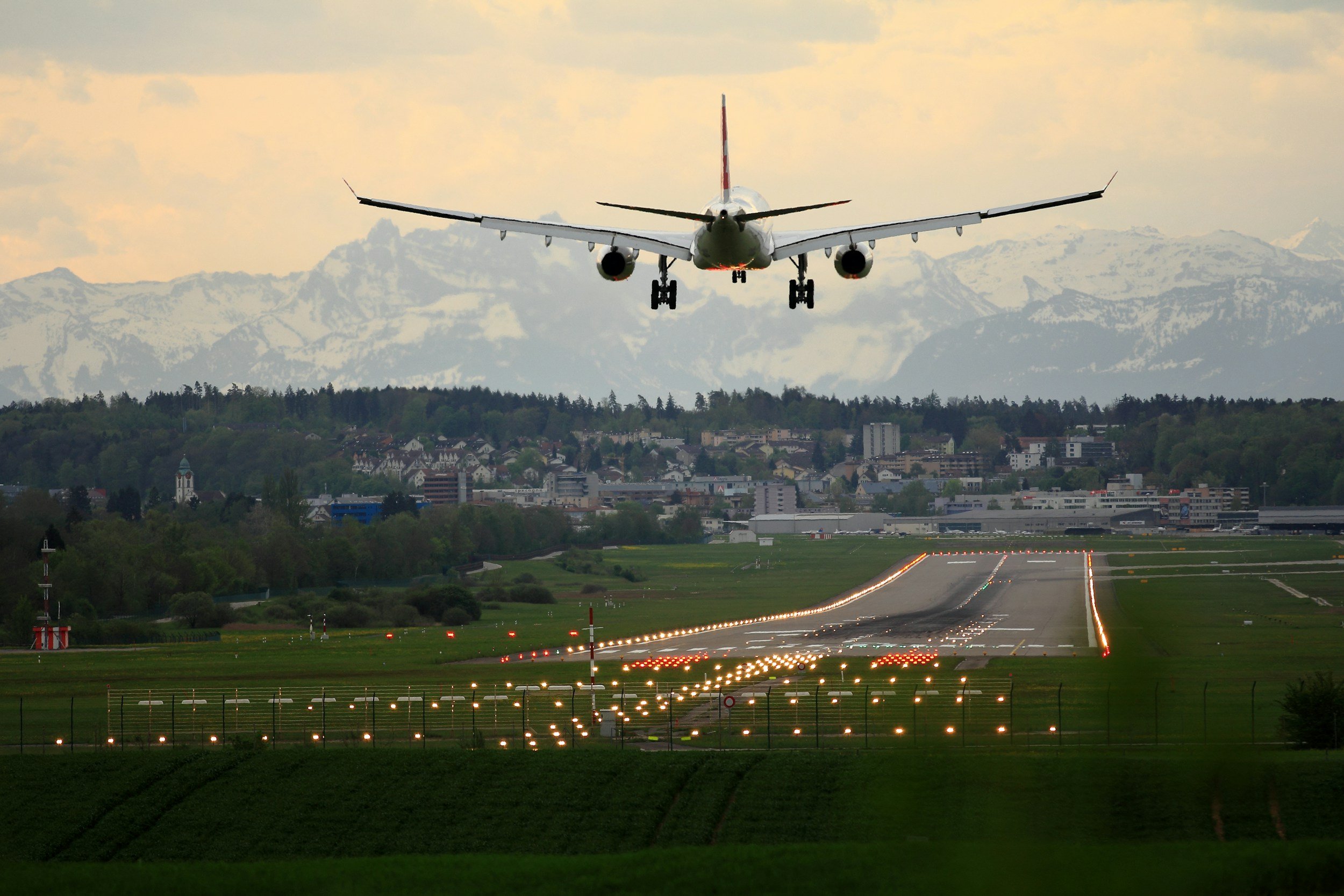
Support with migration, cultural adjustment, and life between countries
Somira Psychotherapy offers online therapy across Australia and internationally